
Frankly, I owe myself an explanation to this simple question also. This project is WAY out of my league! A little background is probably valuable to understand first. I am very new to CW, only having started in May 2025. My goal then was to cram every single day for at least an hour with the end game being able to work CW at Field Day. I did make a few QSO by the way but it was a hot mess. More on that later. A few independent things came together to influence this project, I’ll explain:
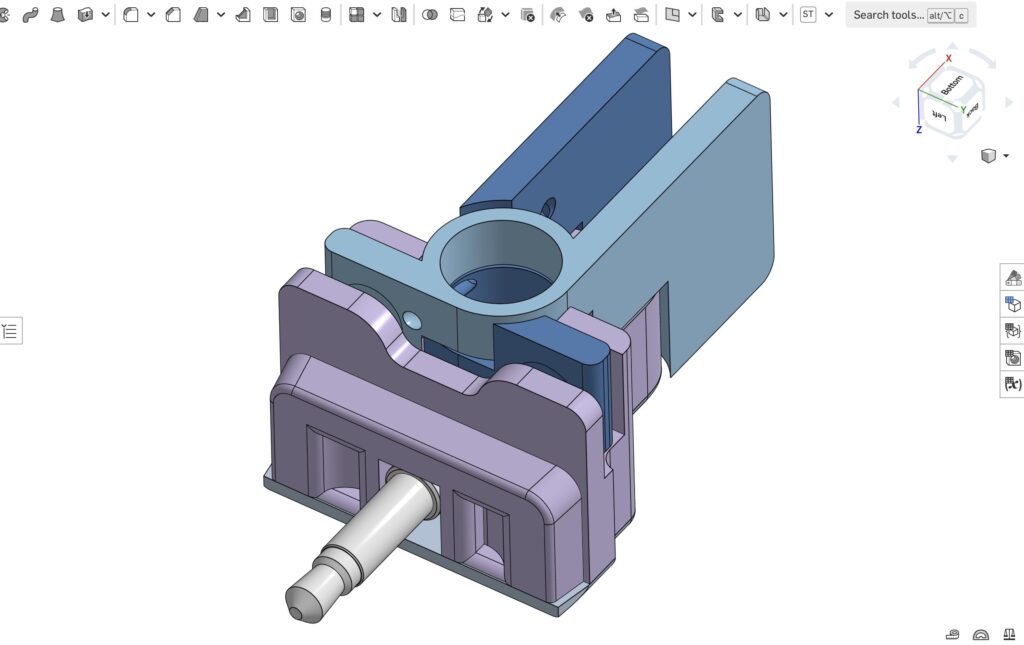
Prototype KH1 CW Key
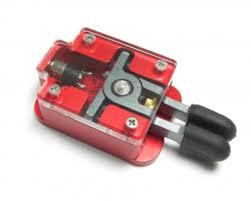
First, Bamatech TP-III lands on my bench. I really enjoy Summits on the Air as an excuse to get outdoors for exercise and play a little radio. My Elecraft KX2 was my go-to for SOTA given its small size and all-in-one design. I did a ton of research on CW keys out there and the unanimously popular CW portable ops key was the Bamatech TP-III. Once this arrived, I understood why immediately.
The TP-III key is a masterpiece of design and function. Built in Germany by Markus (DL6YYM) and his team, the key’s action is short, tight, & magnetically driven. An all around a joy to operate. A delight in fact. I understand that as a new CW operator, I don’t have years of experience to know exactly what I loved about the TP-III but all I knew was that it feels great to operate.
Next, the Elecraft KH1 shows up. I decided to reward myself for learning CW and making a few QSO during field day and on a few SOTA activations. I decided to get the KH1. This is not my first Elecraft radio so I knew I was going to enjoy it. I planned to use this rig two different ways: One, a simple easy to deploy station I can travel or keep in the car for quick ham radio. Often I take the kids to a park and have some down time, why not play a little radio too? Two, this would be a lightweight way to continue simplifying my SOTA operations.
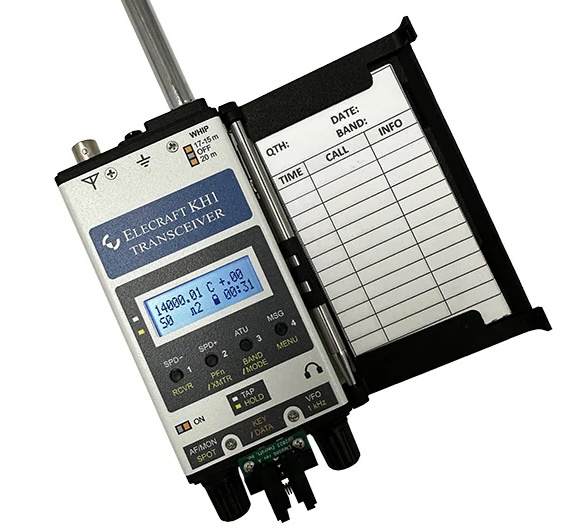
I loved the KH1 and its simplicity (internal ATU scores big points for me). Everything was great, well except for one thing…. the CW key was pretty meh. “Spongy” would be the word I would use to describe its action. Apparently this is a version 2 of the key with improvements over the original. However, it felt very lack luster and apparently I wasn’t alone. Reviews and threads online all orbited around the question of “how do we make this better”? The KH1 and its key all utilize ‘professional’ 3D printed and finished parts. I assume this process allows a small operation like Elecraft to produce lightweight plastic parts. Kudos for new ideas. The CW key itself had a number of friction points which all added up to ‘drag’ in the operation. Having some experience with gunsmithing in the past, you learn a great deal about looking for friction among small parts.
“Wouldn’t it be great if there was a Bamatech TP-III style CW key made for the Elecraft KH1?”
In the next moment, I learned of the unfortunate passing of Markus DL6YYM. Now silent key, his team had updated the website stating that he had passed unexpectedly and the business would be closed after selling off all inventory. Man, that’s horrible news. There won’t be any new developments with this stellar designed line of CW keys.
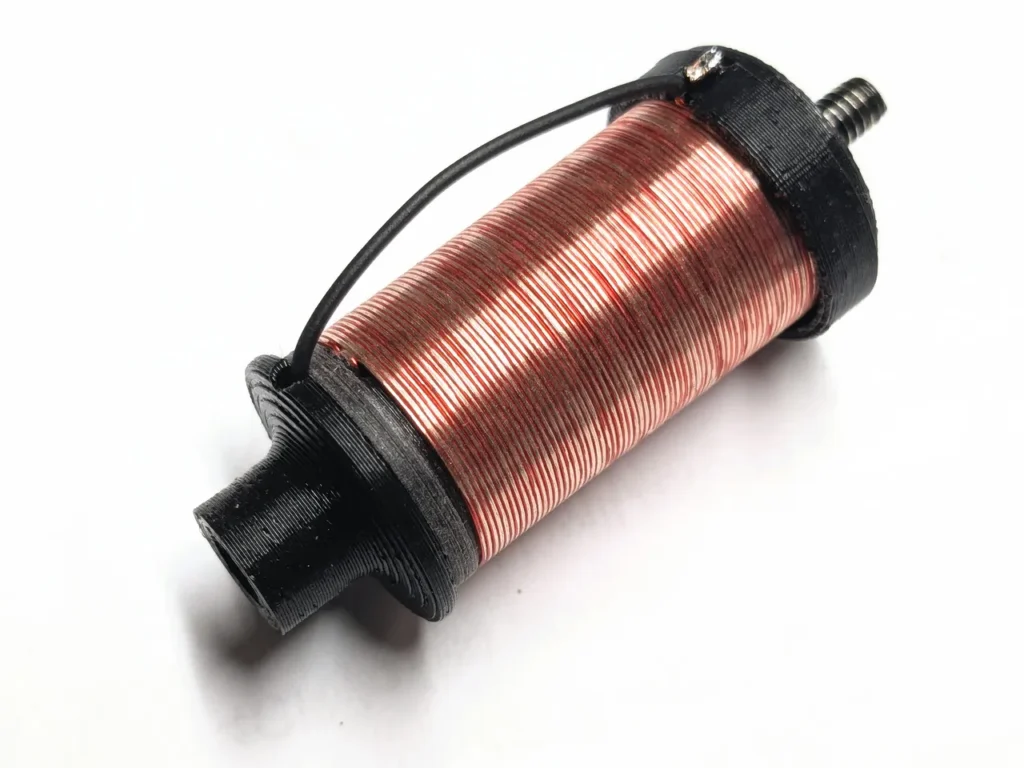
A couple other projects from folks I would call ‘Maker Hams’ came to my attention. First was the K6ARK loading coil designed for the Elecraft KH1. Everywhere I looked online at reviews and operating of the KH1, this loading coil was in use. The coil was a design that Adam K6ARK created and put online with a great set of instructions. I built one, and it has enhanced my KH1 user experience. Wow, that’s neat. Thanks Adam!
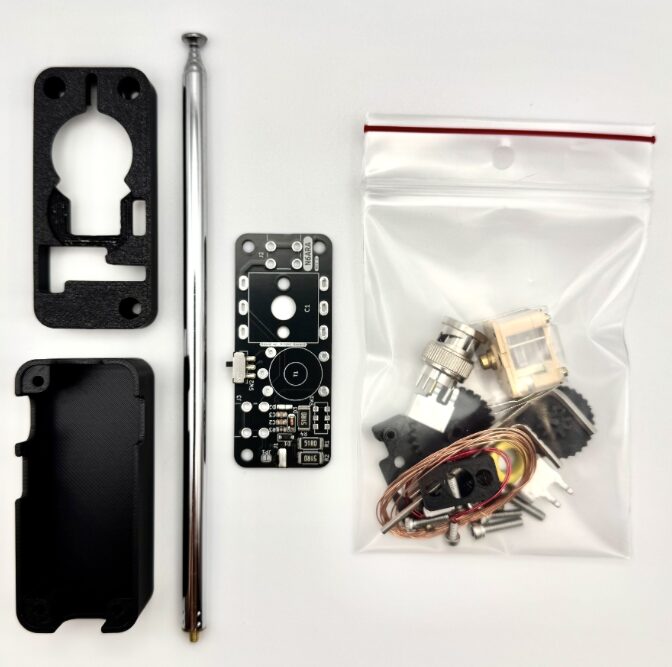
I then also discovered N6ARA and his small store of fun ham gadgets that he designs. It was clear these guys weren’t making ham kits / projects to get rich. They were doing it to advance the hobby and probably have a ton of fun along the way. I found this incredibly motivating. Huge inspiration Ara, thank you!
Inspired by K6ARK & N6ARA’s ingenuity and desire to create on behalf of the hobby, I decided to start my KH1 CW key project.
LFG!
Interested in building one? KI6CR-Labs.com

Leave a Reply